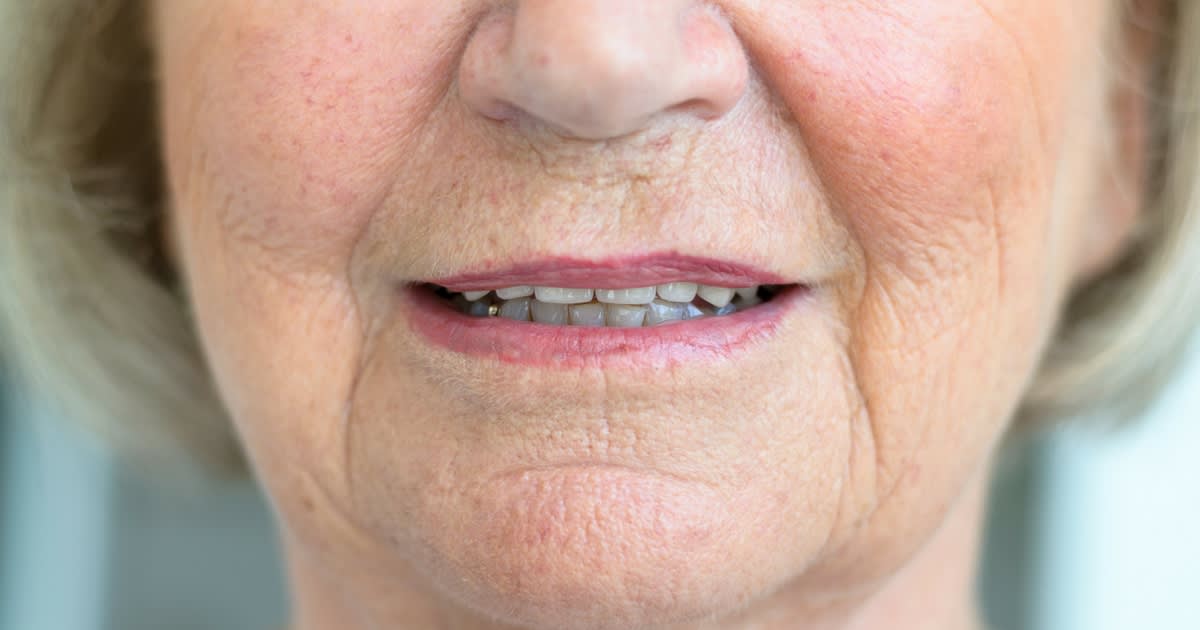
Oral health directly affects overall health and quality of life. In fact, dental disease is a common cause of medical and emergency room visits, according to the American Dental Association. Medications and common chronic illnesses in older adults, such as diabetes or heart disease, put seniors at an increased risk for dental problems.
Let our care assessment guide you
Our free tool provides options, advice, and next steps based on your unique situation.
Yet, access to senior dental care continues to be a problem in the U.S. Dental care benefits cease upon retirement and routine dental care is not covered by Medicare. Lack of transportation, age-related memory loss, other cognitive problems, and physical disabilities may also lead to missed dentist appointments and poor dental health for seniors.
Good senior dental care may help prevent common problems, like toothaches, gum disease, and tooth loss. Healthy teeth also help older adults enjoy food and eat better. Learn why it’s important to make dental health for seniors a priority and how to help your elderly loved one improve their oral health.
7 reasons to make senior dental care a priority
Tooth decay. Plaque caused by bacteria harms the tooth enamel and causes cavities. One of the reasons older adults are at increased risk of cavities is dry mouth. Saliva helps protect the teeth and reduces bacteria, but dry mouth is a side effect of certain drugs commonly taken by seniors, such as medications for depression, asthma, and high blood pressure.
Gum disease. Two in three seniors 65 and older have gum disease, according to the Centers for Disease Control and Prevention (CDC). Severe gum disease, also called periodontitis, can lead to sore, bleeding gums, chewing problems, and tooth loss, among other health problems. Unfortunately, many people don’t know they have gum disease because it doesn’t cause symptoms until the disease advances. Good senior dental care and regular dental exams can help prevent gum disease.
Tooth loss is common in older adults. In fact, one in five adults 65 and older have lost all their teeth, according to the CDC. Tooth loss can affect nutrition because seniors with missing teeth may not be able to eat or enjoy fresh food options, like fruits and vegetables.
Heart disease. Inflammation caused by gum disease increases the risk of heart disease, according to the American Academy of Periodontology. Gum disease can also make certain heart conditions worse and may be associated with a higher risk of stroke.
Diabetes. People with poor blood sugar control are at higher risk for dental problems, such as inflammation and gum disease. This is because too much glucose (sugar) in saliva helps bacteria grow in the mouth. Gum disease also seems to affect blood sugar control in people with diabetes.
Pneumonia. Older adults with poor dental hygiene, especially those who smoke, are at increased risk of bacterial pneumonia. This is because, as someone breathes, bacteria in the mouth can travel to the lungs. Maintaining good dental hygiene in elderly adults who can’t care for themselves may help lower the risk of this type of pneumonia.
Oral cancer. Older adults are at higher risk for oral cancers. The risk is higher for people who chew tobacco or smoke cigarettes, pipes, or cigars. Regular dentist appointments can help detect problems early.
How to improve dental health for seniors
There are some steps you can take to help an elderly loved one maintain good dental health:
Let our care assessment guide you
Our free tool provides options, advice, and next steps based on your unique situation.
Remind your loved one to brush twice daily with fluoride toothpaste. A soft, electric toothbrush may make dental hygiene easier. If your parent is forgetful, help them set reminders. If you’re caring for someone who can’t maintain good dental health, it’s important to ensure their mouth and teeth are clean.
Remind your parent to floss regularly. Flossing daily helps prevent plaque and gum disease. If your loved one has problems flossing, talk to the dentist about other tools or techniques that may help.
Keep dentures clean. Remind your parent to clean their full or partial dentures daily and to remove them at night.
Schedule regular dentist visits. Regular appointments can help prevent dental problems and keep teeth healthy. The American Dental Association recommends seeing the dentist at least once a year for cleaning and a check-up.
Tell the dentist about medical conditions and medications your loved one takes. If dry mouth is a problem, the dentist may be able to offer strategies to help relieve it.
Encourage your elderly parent to stop smoking. Quitting smoking is difficult, but it helps lower the risk for many health problems. Your loved one’s doctor may be able to offer strategies or medications to help them quit.
Poor dental health and hygiene could be signs your loved one needs help with activities of daily living. Consider whether it’s time for assisted living, where staff are able to assist with grooming, dressing, medication management, and more, while providing many opportunities for social activities and engagement.
Angelike Gaunt is the Director of Editorial Content Strategy at A Place for Mom. She’s developed health content for consumers and medical professionals at major health care organizations, including Mayo Clinic, the American Academy of Family Physicians, and the University of Kansas Health System. She’s passionate about developing accessible content to simplify complex health topics.
The information contained on this page is for informational purposes only and is not intended to constitute medical, legal or financial advice or create a professional relationship between A Place for Mom and the reader. Always seek the advice of your health care provider, attorney or financial advisor with respect to any particular matter, and do not act or refrain from acting on the basis of anything you have read on this site. Links to third-party websites are only for the convenience of the reader; A Place for Mom does not endorse the contents of the third-party sites.